Introduction
Dysphagia, or trouble swallowing, is a typical yet typically forgotten condition that can significantly impact an individual's lifestyle. Whether as a result of age, neurological disorders, or various other health issues, the effects of dysphagia can be extreme. This makes specialized dysphagia training courses important for treatment team, registered nurses, and caretakers alike. These programs not just equip professionals with the expertise and skills to supply effective dysphagia treatment yet also encourage them to champion change within their communities.
In this extensive exploration of Championing Change: The Benefits of Specialized Dysphagia Training Courses, we delve into the complex benefits these programs use, the skills they present, and exactly how they add to far better patient outcomes.
Understanding Dysphagia: What You Required to Know
What is Dysphagia?
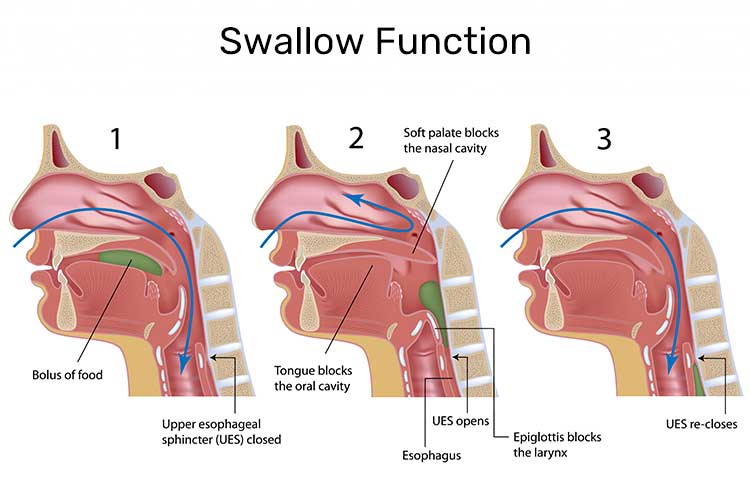
Dysphagia describes a range of swallowing difficulties that can happen at any kind of phase of the ingesting process. It can show up in various kinds-- from trouble chewing food to obstacles in relocating ingested food down the esophagus.
Causes of Dysphagia
There are a number of underlying reasons for dysphagia:
- Neurological problems (e.g., stroke, Parkinson's condition) Structural irregularities (e.g., lumps, strictures) Aging Gastroesophageal reflux disease (GERD)
Symptoms and Complications
Common symptoms include:
- Pain while swallowing Coughing or choking throughout meals A feeling of food being embeded the throat
Complications can consist of poor nutrition, dehydration, goal pneumonia, and social isolation.
The Relevance of Specialized Dysphagia Training for Carers
Why Train Treatment Staff?
Training treatment staff in dysphagia monitoring is vital for ensuring that they understand the intricacies associated with caring for people with ingesting problems. Proper training enables them to acknowledge signs and symptoms early and implement appropriate interventions.
Components of Dysphagia Care Training
An extensive dysphagia training program commonly consists of:
- Anatomy and physiology related to swallowing Assessment strategies for determining dysphagia Safe feeding practices Dietary modifications
Benefits of Specialized Dysphagia Training Courses
Enhanced Expertise Base
One key benefit of specialized dysphagia training courses is the enhanced data base that individuals gain. By recognizing both theoretical and functional elements of dysphagia treatment-- individuals become more experienced in their roles.
Improved Patient Outcomes
Research indicates that trained team can determine issues earlier and execute strategies that result in improved patient results. This indicates less difficulties connected with swallowing disorders.
Boosted Self-confidence Among Professionals
When care team obtain specialized training, their confidence grows. This newfound assurance equates right into far better communication with patients and family members alike.
Curriculum Introduction: What to Get out of a Dysphagia Training Course
Course Modules
Most dysphagia training courses are structured around certain components such as:
Introduction to Dysphagia Assessment Techniques Dietary Modifications Practical Feeding StrategiesHands-On Learning Opportunities
Many programs incorporate hands-on discovering through simulations or role-playing scenarios which enable participants to exercise what they've discovered in real-world situations.
Dysphagia Training for Nurses: A Crucial Component
Why Nurses Should Undergo Specialized Training
Nurses commonly play a critical duty in recognizing and taking care of dysphagia within health care settings. Their specialized training makes sure timely interventions that mitigate dangers associated with ingesting disorders.
Key Areas Covered in Nursing Programs
The nursing curriculum might focus on:
- Patient assessments Medication factors to consider Collaboration with dietitians
The Role of Interdisciplinary Teams in Taking Care Of Dysphagia
Collaborative Technique to Care
Managing dysphagia frequently calls for input from numerous techniques consisting of speech-language pathologists, physical therapists, and nutritional experts. Specialized training promotes cooperation amongst these professionals.

Case Research studies: Effective Group Interventions
Exploring case studies where interdisciplinary groups have actually boosted patient end results showcases the power of joint efforts within medical care settings.
The Future of Dysphagia Treatment: Patterns and Innovations
Emerging Technologies in Ingesting Assessment
Advancements such as video clip fluoroscopic swallowing researches (VFSS) and fiberoptic endoscopic evaluation of ingesting (COSTS) use new insights right into handling dysphagic people effectively.
Telehealth Opportunities for Dysphagia Support
Telehealth provides amazing methods for providing dysphagia support from another location-- making it simpler for individuals that might fight with conventional healthcare accessibility routes.
FAQs Regarding Specialized Dysphagia Training Courses
Q1: What is a normal period for a dysphagia training course?
A1: Most specialized programs vary from one day to a number of weeks relying on deepness and certification requirements.
Q2: Who need to take into consideration taking a dysphagia training course?
A2: Caretakers, registered nurses, dietitians, speech-language pathologists-- any person involved directly with individual treatment associating with swallowing difficulties ought to undertake this training.
Q3: Exist accreditations offered after completing these courses?
A3: Yes! Several companies offer certifications upon effective conclusion which could boost your specialist standing.
Q4: Exactly how does this training influence individual safety?
A4: Boosted expertise leads to much better recognition of risks associated with eating/drinking which drastically boosts patient safety measures established Find out more by skilled personnel members.
Q5: Can on the internet programs be similarly reliable as in person classes?
A5: While both layouts have their qualities; face-to-face classes frequently offer more interactive experiences whereas online programs provide flexibility worrying schedules.
Q6: Is funding offered for these specialized courses?

Conclusion
In conclusion, specialized dysphasia training programs stand for an essential component in improving care shipment for people encountering swallowing challenges. By furnishing caretakers, registered nurses, and allied health professionals with important expertise and practical abilities-- these programs not only champion adjustment but additionally lead the way towards far better individual end results. Spending time right into such education boosts self-confidence amongst professionals while promoting interdisciplinary collaboration; eventually benefiting those who rely on our assistance most-- the clients themselves. As we proceed browsing an ever-evolving landscape within health care-- it's crucial we prioritize constant education and learning surrounding problems like dyslexia if we desire to make long lasting influence on those we serve.